
Small Home Repairs Before They Become Big Problems: A Hibbing Homeowner’s Guide
February 9, 2026Homeownership in Hibbing, Minnesota comes with pride, responsibility, and unique seasonal challenges. Between freezing winters, heavy snow loads, spring thaws, and humid summers, homes in northern Minnesota endure significant stress year-round. Small maintenance issues that might seem minor at first can quickly turn into expensive repairs if ignored.
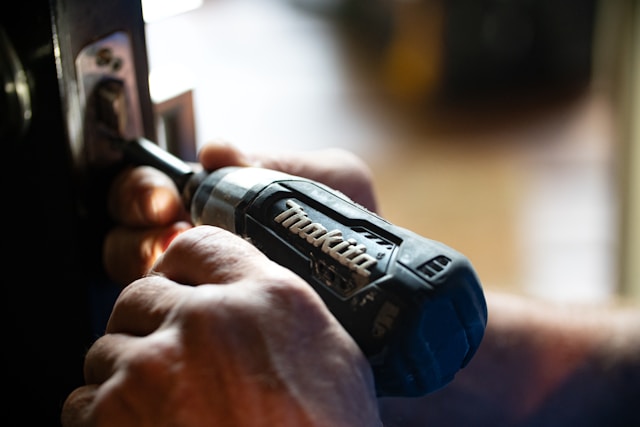
For homeowners in Hibbing and surrounding areas, staying proactive with home repair and handyman services is one of the smartest financial decisions you can make. This guide outlines common small home repairs, why they matter in Minnesota’s climate, and when to call a professional handyman like Wolfman Home Repair.
Why Small Repairs Matter More in Northern Minnesota
Homes in Hibbing face environmental factors that accelerate wear and tear:
- Extreme freeze-thaw cycles
- Ice dams and snow accumulation
- Moisture intrusion from melting snow
- Temperature swings that affect plumbing and electrical systems
- Wood expansion and contraction
Because of these factors, minor issues such as a small roof leak, cracked caulking, or loose siding can rapidly develop into structural damage, mold growth, or system failures.
Preventative maintenance protects:
- Structural integrity
- Indoor air quality
- Energy efficiency
- Property value
- Household safety
1. Minor Plumbing Leaks
The Issue
A dripping faucet, small pipe leak under a sink, or running toilet may seem insignificant.
The Risk
In cold climates like Hibbing, small plumbing issues can escalate quickly:
- Water damage to cabinets and flooring
- Mold growth
- Frozen pipe bursts during winter
- Increased utility bills
Even a slow drip can waste thousands of gallons of water annually.
Warning Signs
- Water stains under sinks
- Soft drywall near plumbing fixtures
- Musty odors
- Fluctuating water pressure
When to Call a Professional
If tightening a fitting does not solve the issue, or if leaks involve hidden pipes, wall cavities, or outdoor lines, professional plumbing repair is recommended.
2. Cracked or Damaged Drywall
The Issue
Small cracks, nail pops, or dents in drywall are common in Minnesota homes due to settling and seasonal expansion.
The Risk
Ignoring drywall damage can lead to:
- Moisture infiltration
- Mold development
- Reduced insulation performance
- Larger structural cracks
Cracks near windows and doors may indicate shifting caused by frost movement.
Solution
Prompt drywall patching, sanding, and repainting protects the wall system and maintains interior aesthetics.
3. Electrical Outlet and Switch Problems
The Issue
Loose outlets, flickering lights, or warm switches may appear minor.
The Risk
Electrical problems can pose serious safety hazards:
- Fire risk
- Circuit overload
- Damaged wiring
- Power surges
Cold temperatures can also make older wiring brittle, increasing vulnerability.
Warning Signs
- Burning smells
- Frequent breaker trips
- Buzzing sounds
- Discolored outlets
Electrical work should always be handled by a skilled professional to ensure safety and code compliance.
4. Exterior Wood Rot and Trim Damage
The Issue
Small areas of peeling paint or soft wood trim often go unnoticed.
The Risk
Hibbing’s snow and moisture exposure can cause:
- Rotting fascia boards
- Damaged window trim
- Siding deterioration
- Structural framing damage
Wood rot spreads quickly when moisture remains trapped.
Preventative Action
Repairing damaged trim, sealing gaps, and repainting exposed wood prevents more costly structural repairs.
5. Caulking and Weatherstripping Failures
The Issue
Cracked or missing caulk around windows and doors.
The Risk
Air leaks reduce energy efficiency and increase heating bills during Minnesota winters. Moisture intrusion can also cause mold and rot.
Signs to Watch For
- Drafts near windows
- Rising energy costs
- Visible cracking in sealant
Replacing caulk and weatherstripping is inexpensive but highly effective at protecting your home.
6. Loose Railings and Deck Boards
The Issue
Loose steps, railings, or deck boards may seem cosmetic.
The Risk
Snow, ice, and freeze-thaw cycles weaken outdoor structures. Loose boards can lead to:
- Injury liability
- Structural deck failure
- Accelerated wood rot
Maintenance Tip
Inspect decks every spring for movement, rusted fasteners, and soft wood.
7. Peeling Interior or Exterior Paint
The Issue
Paint deterioration is common in fluctuating temperatures.
The Risk
Paint acts as a protective barrier. When it fails:
- Moisture penetrates surfaces
- Wood rots
- Drywall absorbs humidity
- Surfaces degrade faster
Timely repainting preserves both appearance and structural materials.
8. Gutter and Drainage Problems
The Issue
Clogged or sagging gutters.
The Risk
Improper drainage can cause:
- Foundation cracks
- Basement leaks
- Ice dams
- Soil erosion
In Hibbing’s snowy winters, blocked gutters increase ice buildup risk.
Common Small Repairs and Their Potential Consequences
| Small Repair Issue | Immediate Concern | Long-Term Risk if Ignored | Recommended Action |
|---|---|---|---|
| Dripping faucet | Minor water waste | Mold, cabinet damage, pipe bursts | Inspect and repair plumbing |
| Cracked drywall | Cosmetic damage | Moisture intrusion, larger cracks | Patch and repaint |
| Loose electrical outlet | Inconsistent power | Fire hazard, wiring damage | Professional electrical repair |
| Damaged exterior trim | Paint peeling | Wood rot, structural damage | Replace and seal wood |
| Failing caulk/weatherstrip | Drafts | Higher energy bills, moisture damage | Reseal openings |
| Loose deck board | Trip hazard | Structural deck failure | Secure or replace boards |
| Clogged gutters | Overflowing water | Foundation damage, basement leaks | Clean and adjust gutters |
The Financial Advantage of Early Repairs
Many homeowners delay repairs to save money. However, small maintenance tasks are significantly less expensive than major renovations.
For example:
- Replacing a section of damaged trim is far cheaper than repairing rotted framing.
- Fixing a minor plumbing leak costs far less than mold remediation.
- Sealing air leaks reduces heating costs during long Minnesota winters.
Preventative maintenance protects your home’s long-term resale value and reduces emergency repair expenses.
Seasonal Maintenance Tips for Hibbing Homeowners
Spring
- Inspect roof and gutters after snow melt
- Check foundation for cracks
- Examine decks and railings
Summer
- Repaint exposed exterior wood
- Repair siding and trim
- Inspect outdoor electrical outlets
Fall
- Seal windows and doors
- Check heating systems
- Inspect plumbing for insulation
Winter
- Monitor for ice dams
- Watch for pipe freezing
- Check for condensation buildup
Consistent seasonal inspections help identify small problems before they escalate.
When to Hire a Professional Handyman
While some minor repairs can be handled independently, professional handyman services offer:
- Proper tools and expertise
- Code-compliant electrical and plumbing work
- Efficient drywall and carpentry repairs
- Time savings
- Safety assurance
In a climate like Hibbing’s, proper repair techniques are especially important. Improperly sealed wood, incorrectly patched drywall, or poorly repaired plumbing can fail quickly under harsh winter conditions.
Building Long-Term Home Value Through Maintenance
A well-maintained home:
- Sells faster
- Commands higher market value
- Requires fewer emergency repairs
- Provides greater comfort
- Maintains energy efficiency
Routine repairs are not just maintenance tasks; they are investments in your property’s longevity.
Final Thoughts
Small home repairs are easy to ignore—until they become major structural, electrical, or plumbing problems. In Hibbing, Minnesota, where weather conditions are demanding, proactive maintenance is essential.
By addressing minor plumbing leaks, drywall cracks, electrical issues, trim damage, and sealing failures early, homeowners can avoid costly repairs and maintain a safe, comfortable living environment.
Whether it’s fixing loose deck boards, repairing drywall, handling electrical work, or addressing plumbing concerns, staying ahead of small issues protects your home from becoming a bigger problem later.